Alcohol and Sleep: Why a Nightcap Fragments the Second Half of the Night
A nightcap can help you drop off faster and still chop up the later hours. Hours in bed are not the same as how recovered you feel. Try one timing change for 1–2 weeks.
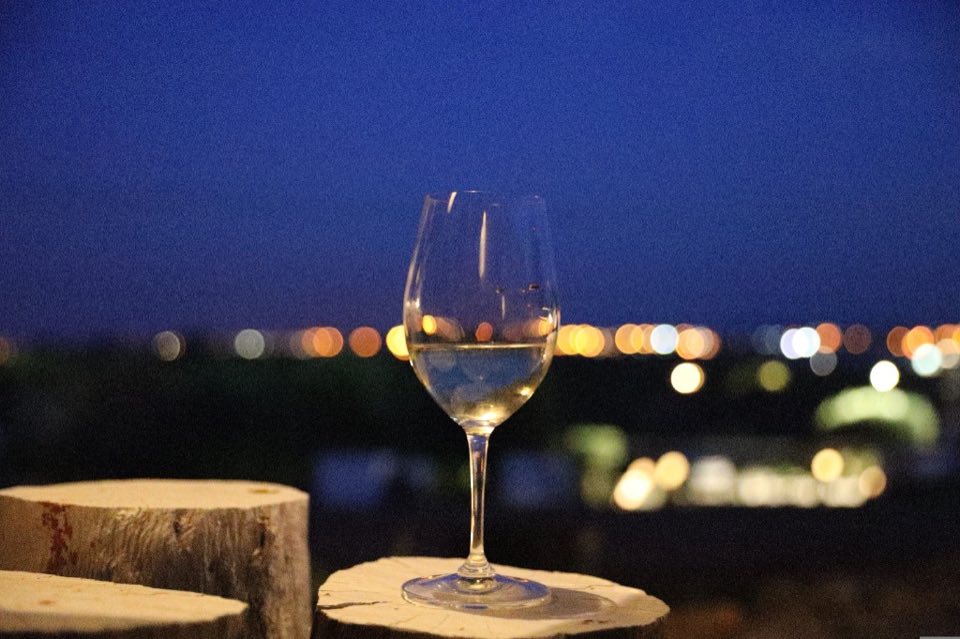
A nightcap can make you feel sleepy sooner, and still leave the second half of the night more broken. Many people fall asleep faster after a drink, then wake more later and feel less recovered in the morning. Hours in bed are not the same as how restored you feel. That pattern is common. It is not a diagnosis, and one glass is not a crisis.
If you only remember one check: notice the later hours and the morning, not only how fast you dropped off. Falling asleep quickly after wine does not prove the night stayed in one piece. This page is about timing for people who already drink. It is not a suggestion to add a drink.
Why sleepy can still mean a choppier night
Alcohol has a settling effect for a lot of people in the first part of the evening. Shoulders drop. The day gets quieter. Falling asleep can take less effort. That is the part that earned the nickname nightcap, as if the drink were finishing the job of sleep.
What often changes later is continuity — whether sleep stays connected or comes in pieces. As the drink wears off, many people notice more awakenings, a lighter stretch, a bathroom trip that turns into twenty awake minutes, or a mind that will not settle after 3 or 4 a.m. The first half felt easy. The second half did not. You do not need a lab term for that. A night can be long and still chopped.
You can still spend seven or eight hours in bed. A watch may even draw a long bar. Morning recovery is a different column. A broken second half is one ordinary reason those hours feel thinner, even when the total looks fine on paper.
This is not the same night for everyone. A drink with dinner is different from several drinks close to lights-out. Body size, food, how often you drink, and what time you stop all shift the picture. One restless morning after a late celebration is a clue, not a verdict. This article will not give you a personal dose, a stage percentage, or a chart your watch "should" match. Those sketches are consumer estimates. Compare your own nights. Do not treat them as a clinic result.
How this sits next to "I slept long and I'm still tired"
Feeling unrested after a long night has more than one lever. Late caffeine and a sliding wake time are different questions, covered in other posts on this blog. Alcohol belongs on that list only when the rough mornings cluster on the nights you drank close to bed.
If your hours look fine and you feel worse mainly after a nightcap, start with timing. If you feel just as flat on nights you did not drink, this experiment may not be your main lever. The longer piece on sleeping a full night and still waking tired is the better next read — it walks through other reasons, and this article will not repeat them. One mechanism is not the whole explanation.
A 1–2 week experiment, especially on social nights
Change only this. If you also move caffeine, bedtime, and wake time in the same stretch, you will not know what helped. Pick one option. Both are experiments, not rules, and neither is an invitation to drink.
Option A: last drink about 3 hours before bed
If you usually sleep at 11:30 p.m., last sip around 8:30 p.m. The gap is a starting point so the drink is less stacked on lights-out. Some people notice more with a longer gap. Others notice less. Write the time down so Friday does not become "one more."
Option B: skip the nightcap and drink water
Keep the evening. Switch the last round to water. No extra drink on the couch or in bed. This is often the cleaner test on a social night, because you are not guessing how much the earlier glasses still mattered.
- Run it for one to two weeks. Pay extra attention to Friday, or whichever night you usually drink.
- Each morning, note three things: how fast you seemed to fall asleep, whether the later hours felt broken, and how recovered you feel on a simple 1–5 scale.
- If you wear an Apple Watch, glance at time asleep and awakenings. Treat any stage sketch as a week-to-week comparison, not a score to win.
- Compare nights you stopped earlier, or skipped the nightcap, with your recent usual. One screenshot against someone else's night is not the comparison.
After one to two weeks, decide. If mornings are clearer when the last drink moved earlier or disappeared, keep that version on social nights. If nothing moved, late alcohol may not be your main lever this month. If cutting back feels hard, unsafe, or like more than a timing tweak, talk with a clinician. This page will not coach that.
Where SleepBestie fits
SleepBestie reads sleep already stored in Apple Health from your Watch: when you fell asleep, how often you woke, stage estimates, and how those nights sit next to your recent average. During this experiment it can help you line up later-drink nights against earlier-stop or water nights, next to how you felt in the morning. It does not replace a doctor, does not judge your drinking, does not encourage alcohol, and is not a medical device.
Compare late-drink nights with the ones you changed
SleepBestie uses Apple Watch and Apple Health trends — awakenings, stages, and how the week looks — so a social-night experiment is easier to read than memory alone.
Download SleepBestie FreeRelated reading
- Why a long night can still feel unrested — other levers besides a nightcap
- Afternoon coffee: a different timing experiment
- How to read Apple Watch Deep, Core, and REM without chasing one night
- Consistent wake time: another reason midweek can feel foggy
- SleepBestie FAQ: Apple Health, privacy, and setup
- AI sleep coach: asking what changed this week
Disclaimer: This article is for general information only and is not medical advice, diagnosis, or treatment. Alcohol affects people differently. It does not encourage drinking. If you have ongoing sleep problems, or concerns about alcohol that feel bigger than a timing tweak, talk to a qualified clinician.