 SleepBestie
HRV and Sleep Recovery: What a Low Morning Number Usually Means
One low HRV reading cannot tell you how well you recovered. Look at your own pattern, the measurement conditions and how you feel before drawing conclusions.
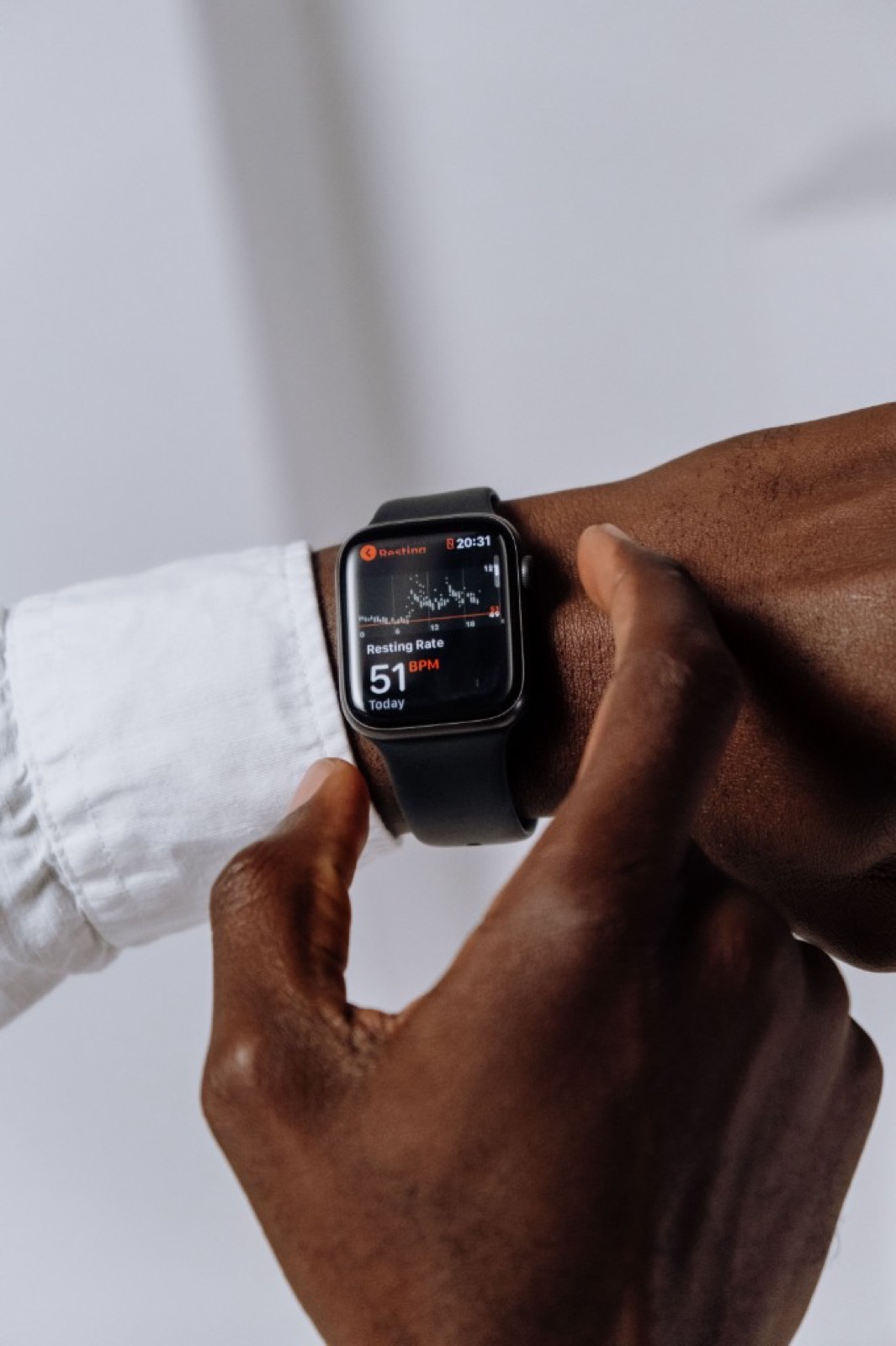
The image shows resting heart rate in beats per minute, not HRV. HRV is usually expressed in milliseconds.
Opening a sleep app to a lower-than-usual HRV can be unsettling, especially after what felt like a good night. But HRV is not a direct score of how much recovery happened while you slept. It is one piece of information to consider alongside sleep, symptoms and your recent routine.
Start by checking what the number represents. HRV, resting heart rate and an app’s recovery score are different measures. Comparing the same metric from the same source over time is more useful than comparing your reading with someone else’s screenshot.
What HRV measures, and why a reading can change
Heart rate variability describes variation in the time between successive heartbeats, usually expressed in milliseconds. It is different from heart rate, which counts beats per minute. Apple documents SDNN as one HRV measure; other methods, such as RMSSD, calculate variability differently. A short reading, an overnight summary and an app-generated score should not be treated as interchangeable.
Sleep, stress, age and health can all affect HRV. Measurement conditions also matter: a value taken at a different time or under different conditions may not be directly comparable. Check the source, timestamp and available recordings before treating a lower number as a change in recovery. Missing data is not the same as low HRV.
A single low reading does not identify a cause or diagnose a condition. Equally, do not automatically dismiss a sustained change as noise. If a change persists, especially with ongoing fatigue, poor sleep or concerning symptoms, discuss it with a healthcare professional.
HRV, sleep stages and feeling rested
HRV does not measure how many minutes you spent in Deep or REM sleep, and a recovery score is not a sleep-stage measurement. A long night, a reassuring chart and feeling refreshed may not always line up. Consider sleep duration, interruptions and daytime functioning together.
If you regularly wake tired despite enough time in bed, HRV alone cannot explain why. The related guides below cover unrefreshing sleep, low Deep-sleep estimates and the meaning of Deep, Core and REM. They offer context rather than a diagnosis from a wearable.
A week of notes can add context
A week is a convenient starting point, not a validated diagnostic window or a complete personal baseline. Keep the notes brief, and use a longer history if you have one.
- Record the same HRV metric and source, sleep duration, and how rested you feel. If you also track a recovery score, keep it separate from HRV.
- Note relevant context: illness, travel, alcohol, unusual exercise, stress or a gap in watch wear.
- Review whether the change is isolated or repeated, using comparable readings and your longer-term pattern when available.
A pattern that coincides with a late night or another event can suggest a question to explore, but does not prove a cause. If readings remain unusual for you and you feel worse, seek advice rather than repeatedly changing habits to chase the number.
Try one manageable change to support sleep
Choose a change that fits a problem you actually notice. Keep the rest of your routine reasonably steady so the change is easier to assess. The aim is better sleep and daily functioning, not a promise to raise HRV.
Option A: bring your last caffeine earlier
If late coffee seems to make falling asleep harder, try having it earlier and observe your sleep. Caffeine can remain active for hours. A change in HRV alone would not establish that caffeine was the cause.
Option B: skip alcohol before bed
If you use alcohol to wind down, consider a non-alcoholic bedtime routine instead. Alcohol can disrupt sleep even if it initially makes you drowsy. Review sleep interruptions and next-day wellbeing rather than using HRV to decide whether a drink is harmless.
Option C: make wake times more consistent
If your schedule varies widely, choose a realistic wake time while leaving enough time for sleep. A routine that fits your work and life is more useful than a strict target that repeatedly cuts sleep short.
Option D: adjust your wind-down routine
If the room feels too bright or warm, change one aspect of the sleep environment. If intense late exercise leaves you alert at bedtime, consider moving that session earlier. Choose the adjustment that matches your experience rather than changing everything at once.
- Write down the habit you are changing and what you hope will improve.
- Keep brief notes over the next week about sleep and daytime energy. A simple rating can help, but it is not a clinical test.
- Compare those notes with the HRV trend. Improvement in how you feel and a change in HRV do not have to occur together.
- If there is no clear change, do not assume the habit failed or keep adding interventions. Review whether you need more context or professional advice.
A week of self-observation cannot prove an intervention works. Use it to understand your routine, not to diagnose yourself or decide training intensity from a single reading.
How SleepBestie helps you see the context
SleepBestie uses sleep and related health data recorded by your Apple Watch and synced to Apple Health to help you understand personal trends. An Apple Watch is required. Its insights can support a review of recent nights, but they cannot determine the cause of low HRV or replace medical assessment.
See the pattern beyond one morning
Explore your recent sleep trends with SleepBestie and consider them alongside your routine and how you feel.
Download SleepBestieRelated reading
- Magnesium or melatonin: understanding the difference
- Why you may feel tired after a full night of sleep
- Understanding a low deep-sleep estimate
- Apple Watch sleep stages: Deep, Core and REM
- Caffeine and sleep: when your last cup matters
- How alcohol affects sleep
- Building a consistent wake-time routine
- SleepBestie FAQ: Apple Health, privacy and setup
- How SleepBestie helps explain your sleep
Sources
This article provides general information, not medical advice, diagnosis or a training prescription. If sleep difficulties, persistent fatigue or concerning symptoms continue, consult a healthcare professional.