 SleepBestie
Clocks Go Back 2026: How to Use the Extra Hour for Sleep
An extra hour on the clock does not always mean an extra hour asleep. Here is how to prepare for the change and give yourself time to adjust.
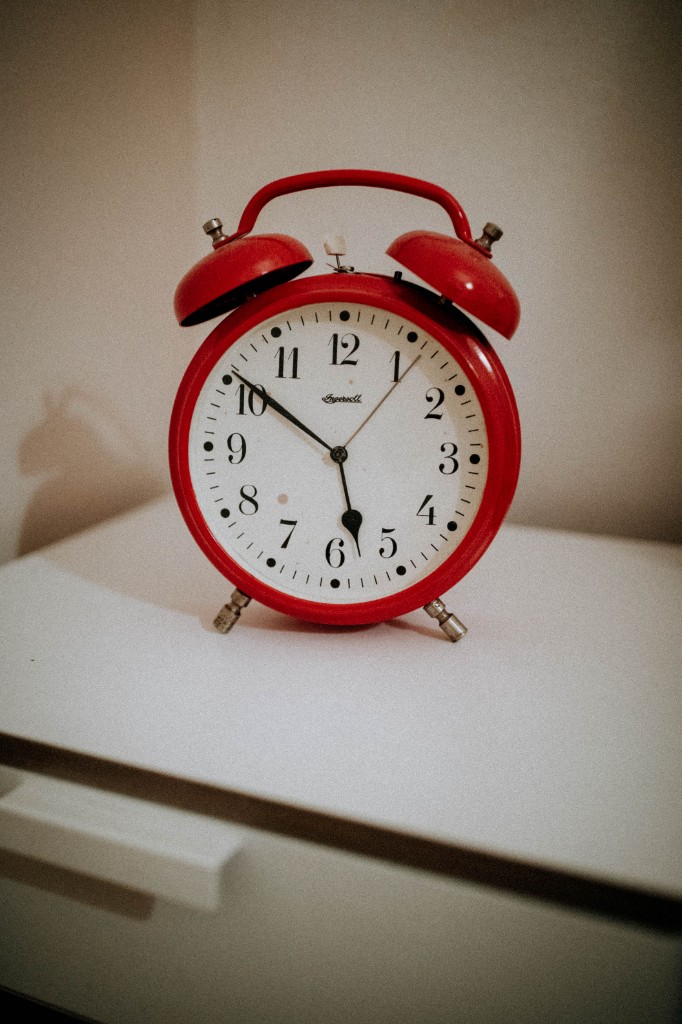
When daylight saving time ends, clocks move back one hour. It sounds like a welcome chance to sleep longer, especially if you have been short on rest.
But your body clock does not reset as soon as your phone does. You may wake at your usual biological time, even though the clock now says it is an hour earlier. Staying up later can also use up the extra time you hoped to spend asleep.
Below are the key 2026 dates, a practical way to plan the surrounding week, and some pointers for reading your Apple Watch sleep data without overreacting to a single night.
When do clocks go back in 2026?
In the UK, clocks go back on Sunday, October 25, 2026: 2:00 a.m. British Summer Time becomes 1:00 a.m. GMT. The EU also ends summer time on October 25, at 01:00 UTC. The local clock time varies by time zone; in central Europe, 3:00 a.m. becomes 2:00 a.m.
In most of the United States, clocks go back on Sunday, November 1, 2026, from 2:00 a.m. to 1:00 a.m. local time. Hawaii and most of Arizona do not observe daylight saving time. If you live elsewhere or are travelling, check the rule for your destination rather than assuming the US date applies.
Australia is moving into spring, so the change goes in the opposite direction. New South Wales, Victoria, South Australia, Tasmania and the Australian Capital Territory moved clocks forward on October 4, 2026. Queensland, Western Australia and the Northern Territory do not observe daylight saving time.
On the fall-back night, one hour of local clock time repeats. If you go to bed and get up at the same clock times as usual, there is an extra hour between them. That is an opportunity for more sleep, but time in bed and time asleep are not the same.
Unlike the spring change, fall back does not remove an hour from the night. Even so, sleepiness, hunger and waking may not immediately follow the new schedule. Give yourself room to adjust instead of expecting the first morning to feel noticeably better.
Why the extra hour may not become extra sleep
It is easy to treat the change as permission for one more episode or a later night out. If you still need to get up at your usual clock time, that later bedtime can cancel out the extra sleep opportunity. Decide when you want to wind down before the evening gets away from you.
A much later weekend bedtime and wake time can also make Monday harder. Try to avoid turning the clock-change weekend into a large shift in your usual routine. For practical ideas, see our guide to a consistent wake time . The aim is a routine you can maintain, with enough time for sleep.
In 2026, Halloween falls on Saturday, October 31, just before the US change. A late party or alcohol may affect how rested you feel, regardless of the extra hour. Alcohol can make sleep lighter and more disrupted later in the night; our alcohol and sleep guide explains this in more detail. The UK and EU change a week earlier, so Halloween is a separate event there.
If your evening does run late, simply keep that context in mind when you look at the next morning’s sleep report. One unusual night does not mean your whole routine needs fixing.
A simple plan for the days around the change
Before the change, check the local date and decide what schedule you need for the following workweek. After the clocks change, follow that schedule in the new local time and leave enough time for sleep. You do not need to force a whole new routine overnight.
During the following days, make time for daylight and keep evenings calm as bedtime approaches. Light helps regulate sleep timing, but there is no single exposure schedule that suits everyone. Be mindful of late caffeine, too: our caffeine and sleep guide explains why a late cup may still affect you at bedtime.
Keep the plan manageable. A reasonably consistent wake time is a useful starting point, provided you are also allowing enough sleep. Avoid overhauling meals, exercise and supplements all at once; it becomes harder to tell what is helping.
A one-hour clock change is not, by itself, a reason to start taking melatonin. If you are considering a supplement, our magnesium and melatonin guide explains how they differ. Ask a healthcare professional before using melatonin, particularly during pregnancy or breastfeeding, when taking other medicines, or before giving it to a child.
How to read your Apple Watch sleep data after the change
Remember that an hour repeats on the clock that night. Subtracting the displayed bedtime from the displayed wake time may therefore give a misleading duration. Check the recorded sleep duration and timeline together. Do not assume the time change has caused a tracking error just because the numbers look unfamiliar.
Compare the surrounding nights with your own recent pattern, such as the previous seven days, and consider how you feel during the day. That comparison is context, not a medical definition of normal. Our deep sleep guide discusses low estimates; the sleep stages guide explains Deep, Core and REM; the tracking accuracy guide covers the limits of watch estimates; and the HRV guide explains why one reading needs context.
If a record looks unusual, consider travel, alcohol, illness, caffeine and whether you wore the watch throughout the night. Check for missing data before drawing conclusions. The clock change is one possible part of the story, not an explanation for every fluctuation.
How SleepBestie can help
SleepBestie uses sleep data recorded by your Apple Watch and synced to Apple Health to help you understand your nights and personal trends. An Apple Watch is required. Looking across several nights can make changes easier to put in context, but the app does not diagnose sleep disorders or replace medical care.
See your sleep trends around the clock change
Explore your Apple Watch sleep data with SleepBestie, and look beyond a single night to understand your own pattern.
Download SleepBestieFrequently asked questions
Does gaining an hour automatically mean better sleep?
No. The change creates an extra hour in the night, but you may wake at your usual biological time or stay up later. Treat it as an opportunity to rest, rather than a guarantee of longer or better sleep.
When do clocks go back in the UK, EU and US in 2026?
The UK and EU change on October 25, 2026. Most of the US changes on November 1, 2026, at 2:00 a.m. local time. Hawaii and most of Arizona do not observe daylight saving time. Always check the local rule for your location.
What schedule should I follow after the clocks change?
Use the new local time to plan the schedule you need for work or other commitments. Keep wake times reasonably consistent and allow enough time for sleep. If you do not feel adjusted straight away, avoid making several large routine changes at once.
How should I interpret unusual Apple Watch sleep data after the change?
Check the recorded duration, timeline and any missing data. One hour of clock time repeats on the fall-back night, so clock times alone can be confusing. Consider your routine and several nights of data before interpreting a change in sleep stages or HRV.
This article is for general information, not medical advice. Seek medical advice for persistent insomnia, loud snoring with breathing pauses, or severe daytime sleepiness.
Related reading
- Why a consistent wake time matters
- Caffeine and sleep: when to stop for the day
- How alcohol affects the second half of the night
- What to do when deep sleep looks low
- HRV and sleep recovery: understanding a low reading
- How accurate is Apple Watch sleep tracking?