 SleepBestie
Waking Up at 3am: What Middle-of-the-Night Wakeups Usually Mean
Brief awakenings are common. If getting back to sleep is the hard part, start with a few practical steps and observe how you feel over the next week.
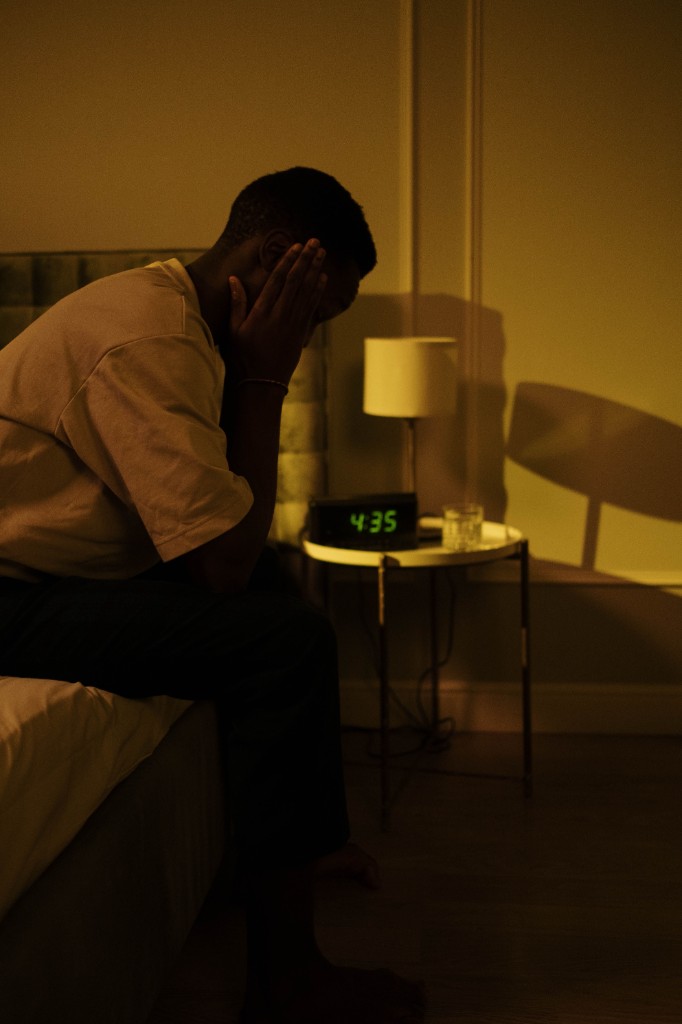
You wake in the dark and reach for the clock. It is 3:07am. You may wonder why you keep waking at this hour, or whether something is wrong. But the time alone does not tell you what caused the awakening.
Brief awakenings are a normal part of sleep, and some are so short that you do not remember them in the morning. Waking once during the night does not necessarily mean you slept poorly.
What deserves attention is repeatedly struggling to get back to sleep. Watching the minutes pass can make you more anxious and alert. This article explains what may contribute to those wakeful periods, what you can try, and when to seek help.
What is sleep-maintenance insomnia?
Sleep difficulties can involve trouble falling asleep, trouble staying asleep, or waking earlier than intended. Sleep-maintenance insomnia, also called middle insomnia, refers to difficulty returning to sleep after waking during the night. An occasional rough night is not enough to diagnose an insomnia disorder. If this happens repeatedly and affects how you feel or function during the day, speak with a healthcare professional.
Why might you wake up around 3am?
There is no single explanation for waking at 3am. Stress, needing the bathroom, an uncomfortable bedroom, caffeine, and alcohol can all disrupt sleep. After waking, worries about the next day may make it harder to settle again. The time on the clock cannot tell you whether the cause is a daily habit or a health condition.
What to try when you cannot get back to sleep
Try not to keep checking the time or scrolling on your phone. Counting lost minutes can add pressure, while the screen and its content may make you more alert. Turn the clock away and put your phone out of reach before bed.
If you feel you have been awake for roughly 20 minutes, get out of bed and do something quiet in dim light, such as reading a few pages of a book. Return when you feel sleepy. This is a rough guide, not a countdown: there is no need to time yourself. Avoid work or other activities that leave you more alert.
For the next week, start with one change
Choose one habit to adjust for about a week. Changing several things at once makes it harder to notice what helps. Compare how you sleep and feel with the previous week. Treat this as a way to observe patterns, not as proof of a cause or a promise that the problem will resolve in seven days.
Keep a consistent wake time. After a disrupted night, try to get up at your usual time rather than sleeping much later. For practical ways to maintain that routine, see our guide to consistent wake times .
Bring your last caffeinated drink earlier. Keep other habits steady while you observe whether this makes a difference. Our caffeine and sleep guide explains how to try an earlier cutoff and why sensitivity varies.
If you drink alcohol close to bedtime, consider avoiding it for the week and observing your sleep. Alcohol can disrupt sleep later in the night, even if it initially makes you drowsy. Read more in our article on alcohol and sleep .
Make the bedroom more comfortable. If heat, light, or noise bothers you, start with the issue you notice most. If your sleep schedule changed after the clocks went back, see our guide to sleep after the clocks change for advice on adjusting your routine.
Do not assume a supplement is the answer to waking at night. Melatonin helps regulate sleep timing; it is not a general solution for every nighttime awakening. Our magnesium and melatonin article explains the distinction. Ask a healthcare professional whether either is appropriate for you before trying it.
If the problem keeps recurring or affects your daytime functioning, seek professional advice rather than relying only on changes to your routine. For chronic insomnia in adults, clinical guidelines recommend cognitive behavioral therapy for insomnia (CBT-I). A qualified professional can help assess the cause and recommend appropriate treatment.
How to interpret your Apple Watch data
After a restless night, you may notice Awake periods or frequent stage changes on your Apple Watch chart. These are estimates, not a diagnosis. Look at several nights alongside how you feel during the day. For more context, our sleep-stages guide explains Deep, Core, and REM; our accuracy guide covers the limits of watch estimates. Our deep-sleep article explains why a single low reading needs context, while our HRV article discusses a different measure that should not be read as a count of awakenings.
How SleepBestie can help
SleepBestie requires an Apple Watch and, with your permission, reads the sleep data it records in Apple Health. Its sleep summaries and trends can help you review changes over time while you try an adjustment to your routine. It does not diagnose insomnia, is not a medical device, and does not replace professional care.
See how your sleep changes over time
Use SleepBestie to review your Apple Watch sleep trends alongside changes to your routine.
Download SleepBestie FreeFAQ
Does waking at 3am mean I slept badly?
Not necessarily. Brief awakenings are common. Pay more attention to whether you repeatedly struggle to fall back asleep and whether your daytime functioning is affected.
What does sleep-maintenance insomnia mean?
It means difficulty returning to sleep after waking during the night. This differs from difficulty falling asleep at bedtime or waking too early. One isolated awakening does not establish an insomnia diagnosis.
What should I do if I wake at 3am and cannot get back to sleep?
Avoid repeatedly checking the time. If you feel you have been awake for about 20 minutes, leave the bed for a quiet activity in dim light and return when sleepy. Estimate the time rather than setting a timer.
Should I sleep in after waking during the night?
Try to keep your usual wake time instead of sleeping much later. If poor sleep keeps affecting your day, seek advice. Do not drive or operate machinery when you are too sleepy to do so safely.
This article is for general information, not medical advice. Seek medical advice for persistent sleep difficulties, snoring with breathing pauses, or marked daytime sleepiness.
Related reading
- Why a consistent wake time matters
- Caffeine and sleep: when to have your last cup
- How alcohol affects sleep later in the night
- Why you may feel tired after eight hours of sleep
- Apple Watch sleep stages: Deep, Core, and REM
- How accurate is Apple Watch sleep tracking?
- How to interpret a low deep-sleep reading
- How to interpret your morning HRV
- Keeping your sleep schedule steady when clocks go back
Sources
- Mayo Clinic — Insomnia: How do I stay asleep?
- Johns Hopkins Medicine — Up in the middle of the night: how to get back to sleep
- Cleveland Clinic — What is sleep maintenance insomnia?
- American Academy of Sleep Medicine (2021) — behavioral and psychological treatments for chronic insomnia
- American College of Physicians (2016) — Management of chronic insomnia disorder in adults